Essential Cocktail & Beverage Skills for Service Teams
Strong beverage knowledge separates good hospitality staff from great ones. Knowing what's in a glass - and why it matters - helps you make confident recommendations, answer guest questions without hesitation, and increase sales naturally. This website is built for beginners and working staff who need a practical foundation. It covers the core spirits, essential cocktail components, service basics, and responsible drink knowledge every hospitality professional should have.

Understand the Core Spirits behind Classic Drinks
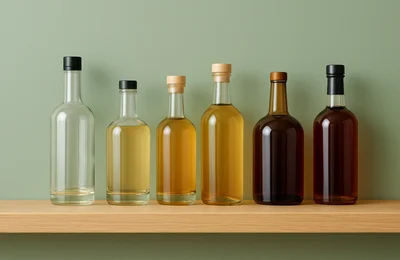
Every classic cocktail starts with a base spirit. Knowing what those spirits taste like - and which drinks they anchor - helps you guide guests confidently and recommend alternatives when needed. Here is a quick breakdown of the six spirits you will encounter most often in service.
Gin
Gin is botanically driven, with juniper at the centre and supporting flavours like citrus, coriander, and pepper. It forms the base of the Negroni, Martini, and Tom Collins. Its herbal complexity makes it a strong match for guests who prefer savoury or aromatic drinks.
Rum
Distilled from sugarcane, rum ranges from light and clean to rich and molasses-heavy. White rum suits the Mojito and Daiquiri; aged rum works in a Dark and Stormy or Mai Tai. It is one of the more versatile spirits on any back bar.
Whisky
Scotch, bourbon, and Irish whisky each have distinct characters, but all share warmth and depth. Bourbon anchors the Old Fashioned and Whisky Sour. Scotch appears in a Rob Roy. Guests asking for something smooth are often well-served by an Irish expression.
Vodka
Neutral and clean, vodka lets other ingredients lead. That quality makes it the base for the Cosmopolitan, Espresso Martini, and Bloody Mary. Guests who prefer lighter, less spirit-forward drinks often gravitate here.
Tequila
Made from blue agave, tequila carries earthy, slightly sweet, and sometimes smoky notes. Blanco tequila appears in the Margarita and Paloma. Mezcal, a smoky agave relative, is increasingly popular and worth knowing separately.
Brandy
Brandy is distilled wine, with Cognac being the most recognised style. Warm, fruity, and rounded, it features in the Sidecar and Brandy Alexander. Guests who enjoy wine often take well to brandy-based suggestions.
Learn the Ingredients That Shape Balance, Flavour, and Presentation
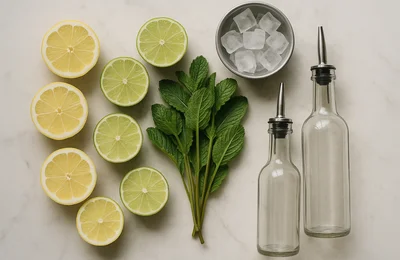
Every cocktail is built on a repeating framework. Base spirit, modifier, sweetener, sour component, bitters, mixer, garnish - adjust one element and the entire drink shifts. Understanding what each component does gives you real control behind the bar, not just the ability to follow a recipe.
Mixers
Soda water, tonic, ginger beer, and cola are the most common mixers in service. They add volume, dilution, and texture. Tonic carries its own bitter flavour, which is why it pairs so naturally with gin. Ginger beer adds heat and spice, making it the backbone of a Moscow Mule. Choosing the wrong mixer can flatten a drink entirely.
Liqueurs and Syrups
These provide sweetness and depth. Triple sec brings orange flavour to a Margarita. Simple syrup adjusts sweetness without adding competing flavour. Grenadine, orgeat, and flavoured syrups each carry distinct profiles that define whole drink categories. A small pour makes a significant difference.
Citrus and Fresh Ingredients
Fresh lime or lemon juice provides the sour element that balances sweetness. Bottled juice rarely performs the same way - the brightness is noticeably different. Muddled herbs like mint or basil add aromatic complexity that no syrup can replicate.
Common Garnishes
Garnishes are functional as well as visual. A citrus twist releases aromatic oils over the glass. A salted rim on a Margarita primes the palate before the first sip. Fresh herbs, dehydrated fruit, and cocktail picks all signal quality and care to the guest.
Master the Service Basics That Improve Every Drink
Getting the drink right is only half the job. How it's served - the glass it arrives in, the ice it's built over - shapes temperature, dilution, and the guest's first impression before they've taken a sip.
Glassware and Why It Matters
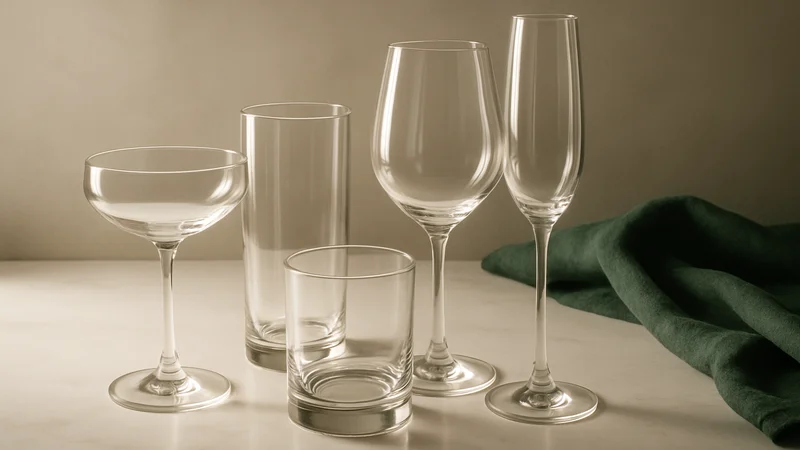
Different glasses serve different functions. A highball glass, tall and straight-sided, keeps carbonated drinks cold and maintains fizz. A rocks glass is short and wide, designed for spirit-forward drinks served over ice. The coupe - that shallow, stemmed bowl - is ideal for stirred or shaken cocktails served without ice, keeping hands away from the bowl so the drink stays cold. Wine glasses are shaped to direct aromas toward the nose, which is why serving wine in a tumbler genuinely changes how it tastes.
Matching glass to drink isn't just presentation. It affects every sip.
Ice Formats and Dilution
Not all ice behaves the same way. Standard cubed ice is the everyday workhorse - it chills quickly and suits most builds. Crushed ice melts fast, which works in drinks like a Mint Julep where some dilution is intentional. Large-format ice, a single oversized cube or sphere, melts slowly and is used in premium spirit serves to minimise dilution over time.
Building Drinks Correctly
Order of ingredients matters. Adding spirits before mixers gives better control over balance. Chilling the glass beforehand - a quick rinse with ice water - keeps the drink colder for longer without extra dilution.
Glass, ice, and build order decide how a drink tastes long before the guest lifts it. Get those three right and the recipe does the rest of the work for you.
Apply Beverage Knowledge with Confidence and Responsibility
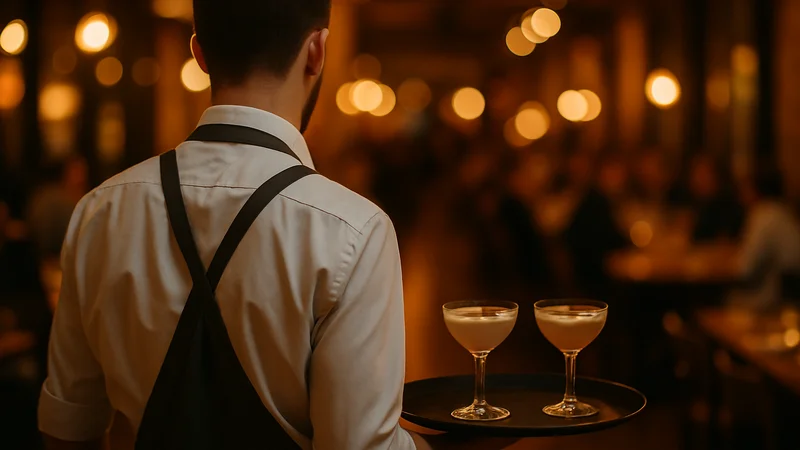
Knowing what's in a glass matters far less if you can't use that knowledge on the floor. The real test comes when a guest asks for a recommendation, mentions a dietary preference, or seems to have had enough. Staff who can respond well in those moments - calmly, helpfully, without hesitation - are genuinely valuable.
Pairing Basics Worth Knowing
Matching drinks to food doesn't require a sommelier certificate. A few solid principles go a long way. Light dishes pair well with crisp, lower-alcohol options - a dry white wine or a citrus-forward cocktail. Rich, fatty foods can handle bolder flavours, like a peaty whisky or a full-bodied red. Sparkling drinks work almost universally because the carbonation cuts through most textures.
Mocktail Awareness on the Floor
Non-alcoholic options have moved well beyond orange juice and sparkling water. Guests choosing to avoid alcohol expect the same care and creativity applied to their drinks. Knowing your venue's mocktail list - and being able to describe it with genuine enthusiasm - shows respect for every guest at the table.
Responsible Service Habits
There's no script for handling a guest who's had too much, but preparation helps. Recognising early signs - slower speech, repeated orders, unsteady movement - allows staff to act before situations escalate. Offering water, suggesting food, or quietly slowing service are practical tools. Responsible service isn't about refusing people. It's about keeping the experience good for everyone.
Good Beverage Knowledge Builds Better Service Every Day
There's no single drink list that covers everything a guest might ask for, and that's exactly the point. Strong beverage knowledge isn't about memorising hundreds of recipes - it's about understanding the essentials well enough to make confident recommendations, prepare drinks correctly, and present them with care. When staff know why a Negroni is stirred rather than shaken, or which wine complements a rich dish, guests notice. That competence builds trust quickly. The best way to keep improving is through regular practice behind the bar, paying attention to experienced colleagues, and holding yourself to consistent service standards every shift. Small habits compound over time.
Our Valued Partners